Last Updated: November 2026
Quick Answer: Yes, most home repairs in Salinas that change a home's structure or its electrical, plumbing, gas, or heating and cooling systems need a City of Salinas permit. Cosmetic work such as painting, drywall patching, and cabinet hardware swaps usually does not. If you are unsure, call the City's permit office before work begins. A phone call costs far less than fixing a problem afterward.
A weekend water heater swap seems simple until a buyer's inspector asks for the permit. Salinas homeowners run into this more often than you might expect. Older homes, rentals, and long-owned properties often carry repairs that nobody documented.
This guide covers which home repairs need city approval, which usually do not, and which fall in a gray area. It includes a quick-reference table and advice on confirming the rules with the city.
Permit rules protect your safety, your insurance coverage, and your ability to sell. A few minutes of checking up front can save you months of trouble later.
This is general information, not legal advice. Codes and local procedures change, so confirm details with the City of Salinas before starting a project.

Why Home Repair Permits Matter for Salinas Homeowners and Renters
Permits exist so a second set of trained eyes checks work that could hurt someone if done wrong. A bad gas line, an overloaded electrical panel, or a poorly braced water heater can cause fires, leaks, or injuries. In Salinas, the permit and inspection process is the main safeguard against those problems.
How Permit Rules Protect Your Safety, Insurance, and Resale Value
Permitted, inspected work gives you a paper trail. That record matters in three situations:
- Safety: Inspectors check wiring, venting, gas connections, and structural framing that you cannot see once walls are closed.
- Insurance: If damage traces back to unpermitted work, an insurer may question or dispute the claim. Coverage depends on your policy, so ask your agent.
- Resale: California sellers must disclose known unpermitted work to buyers. Missing permits can slow a sale or force repairs at a bad time.
Renters have a different role. If you rent in Salinas, permit responsibility belongs to the property owner. Tenants should not start permitted work on their own and should ask the landlord to handle it.
Who Enforces Building Codes in Salinas
The City of Salinas Community Development Department handles building permits, plan review, and inspections for properties inside city limits. Its permit staff can tell you whether your specific project needs approval. Statewide rules come from the California Building Standards Code, and the city enforces them locally.
Local zoning rules also apply. A project might not need a building permit but still have to meet setback, height, or use rules. Building code and zoning are two separate checks.
Quick Answer: Do You Need a Permit for Home Repairs in Salinas?
You need a permit when a repair adds, removes, or alters something that affects safety or structure. You usually do not need one for surface-level work or for fixing something in place without changing it. The details below show where that line falls.
The 30-Second Rule of Thumb
Ask yourself these four questions:
- Does the work touch electrical wiring, gas, water supply, drain, or vent lines? If yes, a permit is likely.
- Does it change walls, framing, the roof, or the foundation? If yes, a permit is likely.
- Does it add square footage or a new structure? If yes, a permit is likely.
- Is it purely cosmetic, or a like-for-like swap with no changes behind the surface? If yes, a permit is usually not needed.
If you answered yes to any of the first three, plan on calling the city.
Permit vs. No-Permit Cheat Sheet
| Project | Permit Usually Needed? | Quick Note |
|---|---|---|
| New electrical circuit or panel work | Yes | Licensed electrical work, inspected |
| Water heater replacement | Yes | Includes proper venting and strapping |
| Gas line work | Yes | Safety inspection required |
| Removing or altering a load-bearing wall | Yes | Often needs engineering |
| Re-roofing | Yes | Check scope with the city |
| HVAC replacement or new ductwork | Yes | Energy code requirements apply |
| ADU or garage conversion | Yes | Full plan review |
| Deck over 30 inches above grade | Yes | Smaller, low decks may be exempt |
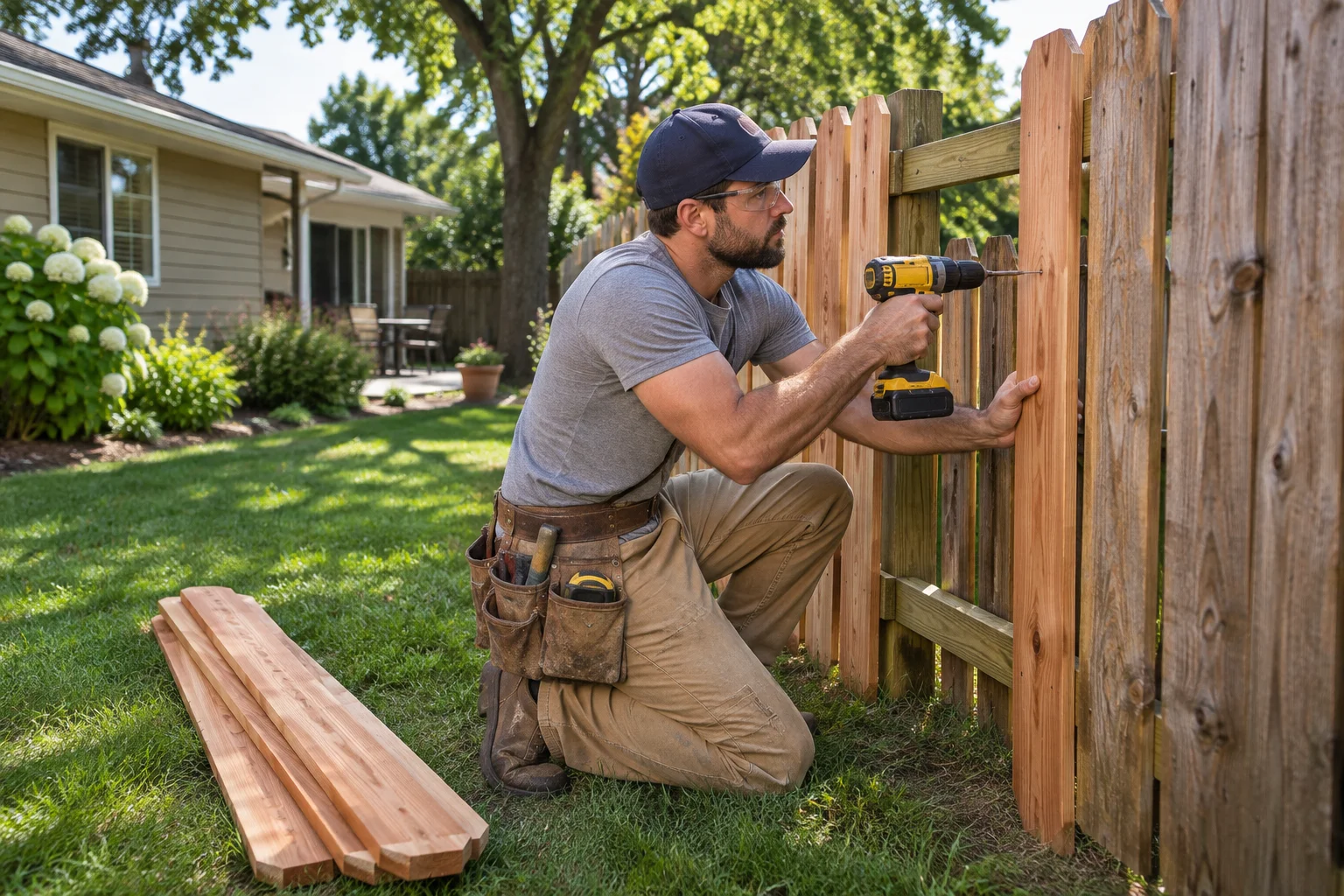
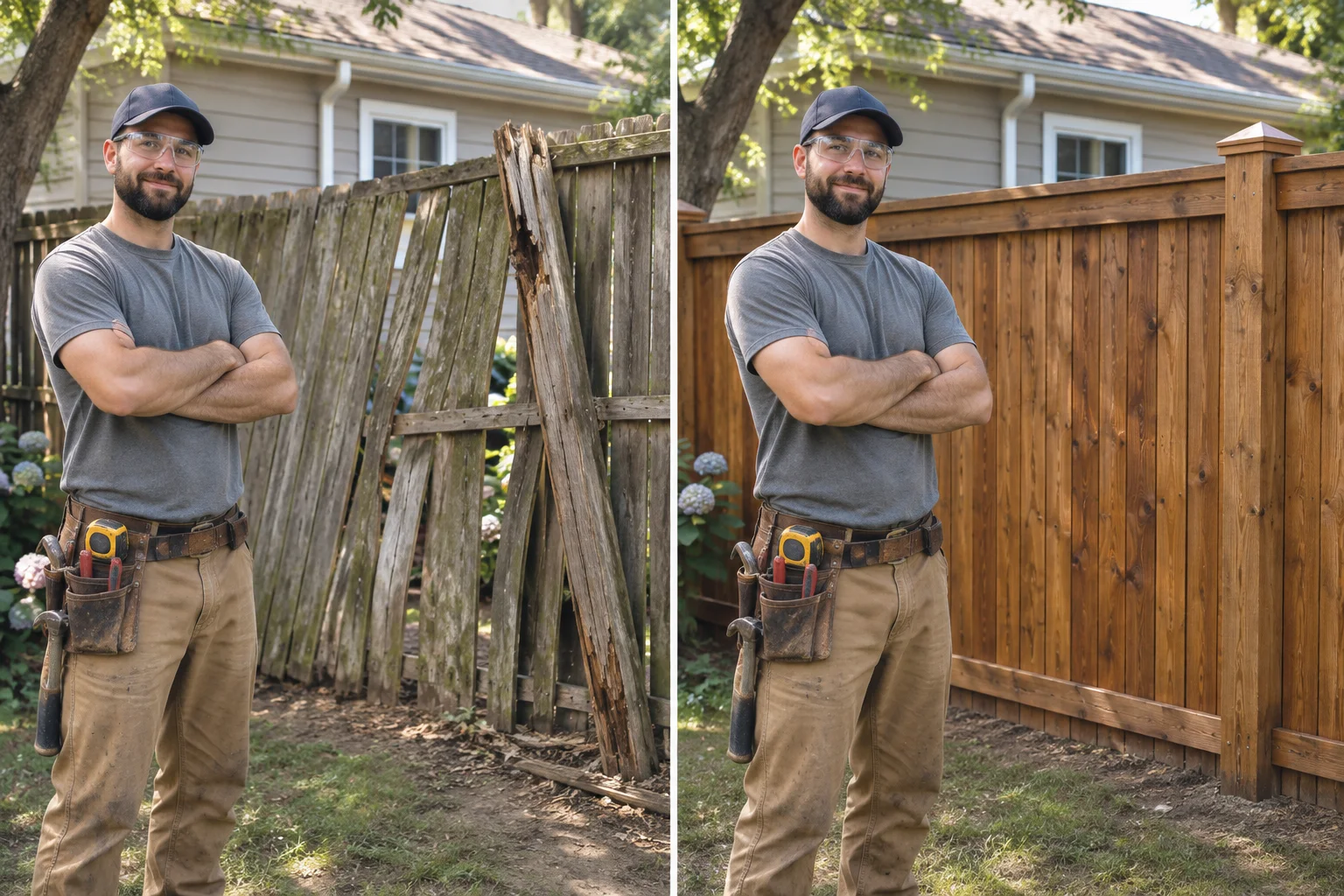
| Fence 7 feet or under | Usually no | Zoning height limits still apply |
| Painting, flooring, trim | No | Cosmetic work |
| Drywall patching, caulking | No | Minor repair |
| Cabinet hardware or door adjustments | No | Like-for-like work |
| Outlet, switch, or fixture swap | Often no | Confirm with the city |
| Window replacement | Varies | Depends on size changes and framing |
#1 Repairs That Require a City of Salinas Permit
Any repair that alters electrical, plumbing, gas, structural, or mechanical systems generally requires a City of Salinas permit. That includes work many homeowners think of as "just a repair." The sections below cover the most common categories.

Electrical Work (Panels, New Circuits, Rewiring)
Panel upgrades, new circuits, subpanels, and rewiring all require a permit and an inspection. The same goes for adding outlets in a new location, wiring a garage, or running power to a detached structure.
Common triggers:
- Replacing or upgrading a service panel
- Adding a circuit for an appliance, EV charger, or workshop
- Rewiring part or all of a house
- Installing a new light or outlet where none existed
Electrical errors can stay hidden inside walls for years. That is why inspectors look at the work before the walls close up.
Plumbing Work (Water Heaters, Repiping, Gas Lines, Sewer Lines)
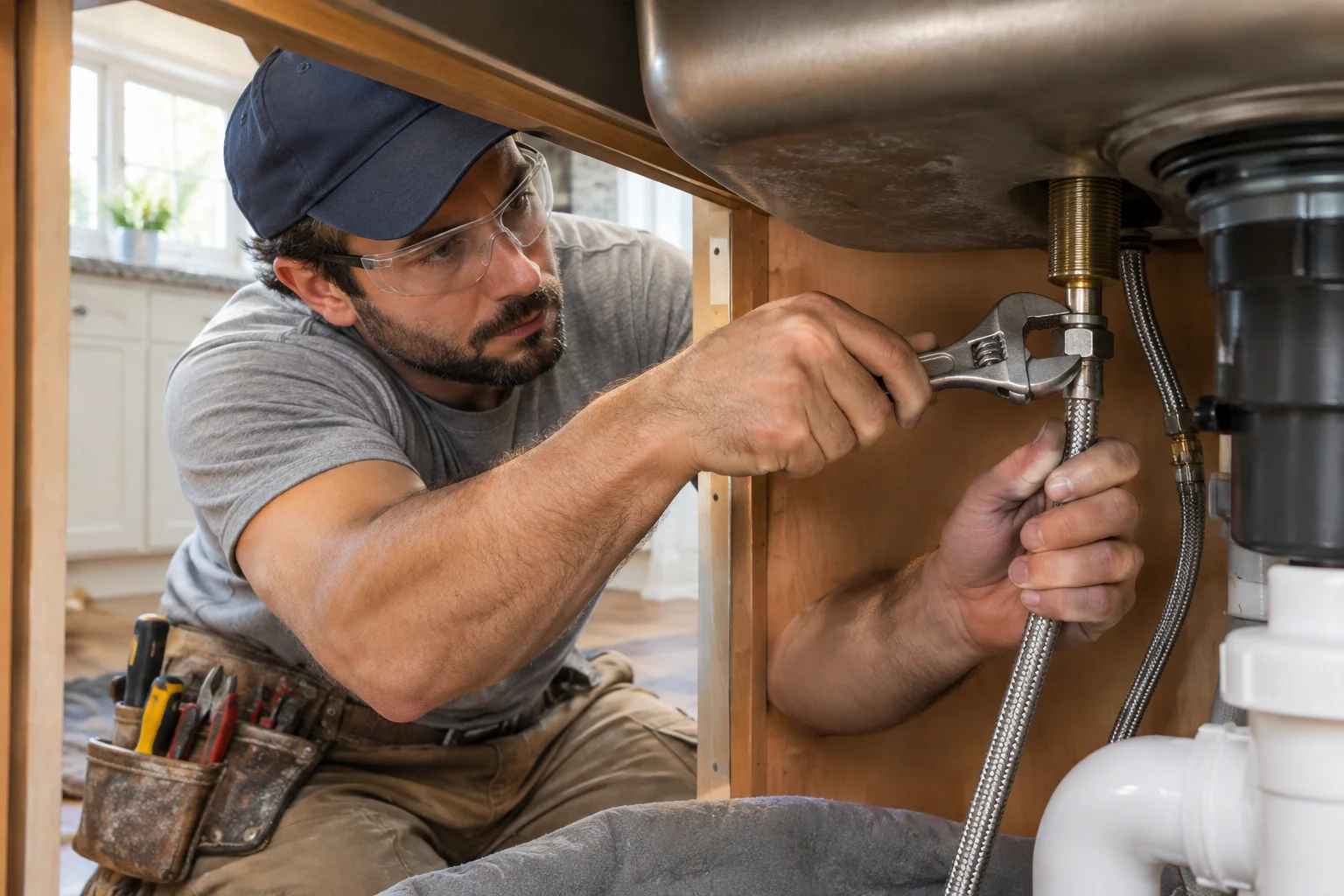
Replacing a water heater, repiping a home, relocating fixtures, and any gas or sewer line work need permits. Gas work carries the highest safety stakes because of leak and carbon monoxide risks.
Plan on a permit for:
- Water heater replacement, including venting and gas connection
- Whole-house or partial repiping
- New or relocated gas lines
- Sewer lateral repair or replacement
A faucet or toilet swap in the same location typically does not need one.
Structural Changes (Load-Bearing Walls, Additions, Foundation Work)
Removing a load-bearing wall, adding a room, or repairing a foundation requires a permit and usually plans. These projects often need an engineer's calculations as well.
Salinas sits in earthquake country, so structural work gets close attention. Beams, posts, hold-downs, and anchor bolts must be sized and installed correctly. Never remove a wall until you know what it supports.
HVAC Replacement and New Ductwork
Replacing a furnace, air conditioner, or heat pump generally needs a mechanical permit. So does installing or modifying ductwork. California's energy rules also apply, and they can require duct testing or specific efficiency features.
A thermostat swap or a filter change does not need a permit.
Roofing, Re-Roofing, and Window Changes
Re-roofing typically requires a permit, as does repairing a large section of roof structure. Small patch repairs may fall under a different threshold, so ask the city before starting.
Window changes depend on the scope:
- Same opening, same size: often simpler, but energy code requirements may still apply.
- Enlarging or adding an opening: a permit is likely, because the framing and header change.
Decks, Retaining Walls, and Accessory Structures
State building code exempts some small structures, but the exemptions are narrow. Typical limits to keep in mind:
- Decks: generally exempt only when 30 inches or less above grade, 200 square feet or smaller, and not attached to the house or serving an exit door.
- Retaining walls: generally exempt when 4 feet or shorter, measured from the bottom of the footing, and not supporting added weight.
- Detached sheds and similar structures: generally exempt at 120 square feet or smaller, though zoning setbacks still apply.
Anything larger, taller, or attached usually needs a permit.
ADUs and Garage Conversions
Accessory dwelling units and garage conversions require permits and full plan review. California law encourages ADUs and sets a 60-day window for local agencies to act on a complete application. The process still includes plans, inspections, and compliance with fire, energy, and utility requirements.
A garage conversion in Salinas also raises questions about parking, egress, insulation, and electrical load. Meet with the city before you hire anyone.
How the 2025 California Building Standards Code (Effective January 2026) Affects Repairs
The 2025 California Building Standards Code took effect on January 1, 2026. It updates the building, residential, electrical, plumbing, mechanical, and energy provisions that apply to permitted work. In practical terms, your permitted project is reviewed under the current code, not the one in place when your house was built.
What this means for repairs:
- New or replaced systems must meet current energy and safety requirements.
- Plans submitted now are reviewed against the updated code.
- Existing, unaltered parts of your home generally stay as they are.
Ask the city whether any local amendments apply to your project.
#2 Repairs That Usually Do Not Need a Permit in Salinas
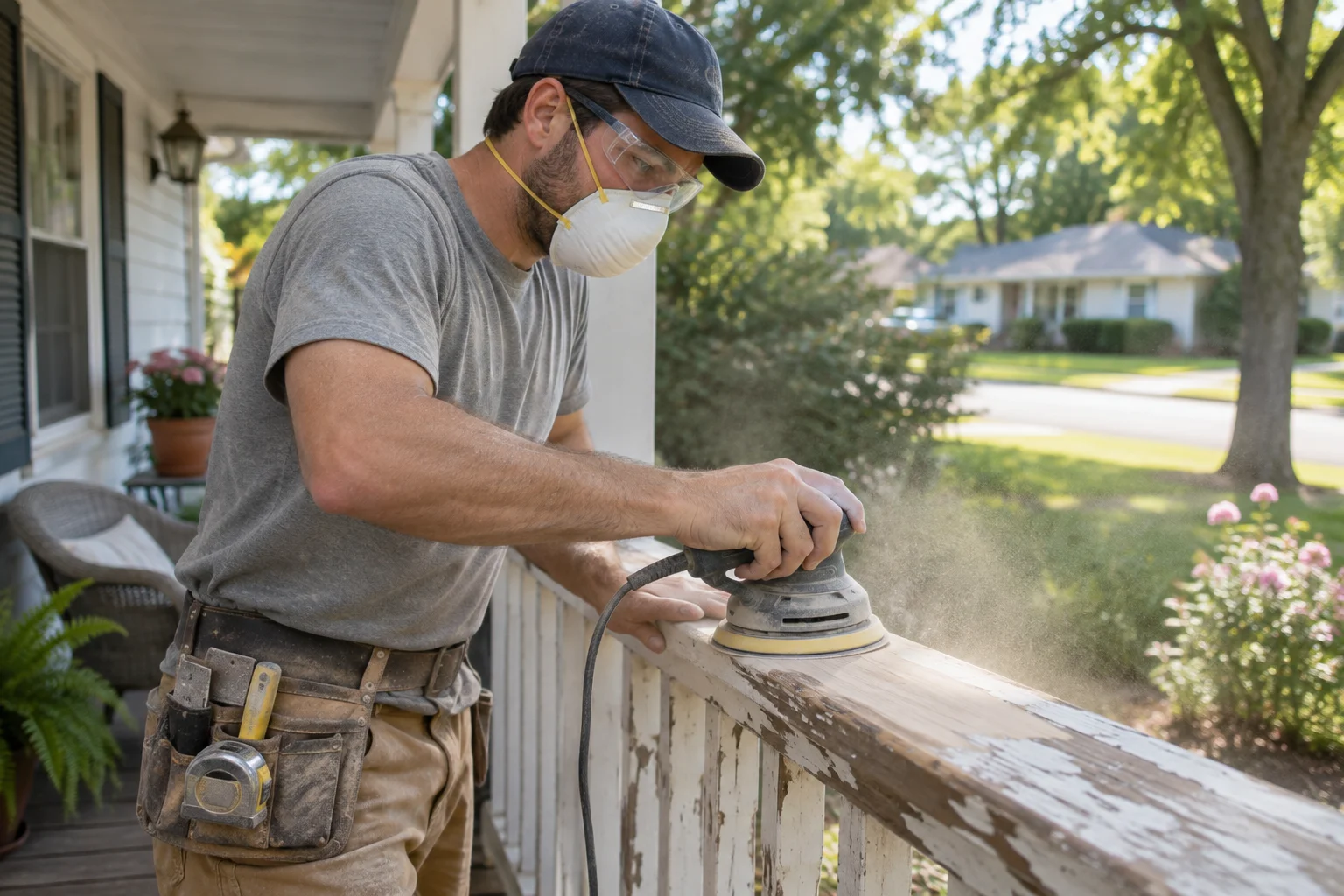
Cosmetic work and minor like-for-like repairs usually do not need a permit. California's building code specifically exempts finish work such as painting, papering, tiling, carpeting, and cabinets. That covers much of the everyday maintenance a Salinas home needs.
Cosmetic Work (Painting, Flooring, Trim, Cabinet Hardware)
These jobs generally need no permit:
- Interior and exterior painting
- Replacing flooring on top of an existing subfloor
- Installing baseboards, crown molding, and casing
- Swapping cabinet doors, hinges, pulls, and knobs
- Repairing or refinishing existing surfaces, such as sanding a floor or restaining cabinets
Minor Repairs and Gray Areas
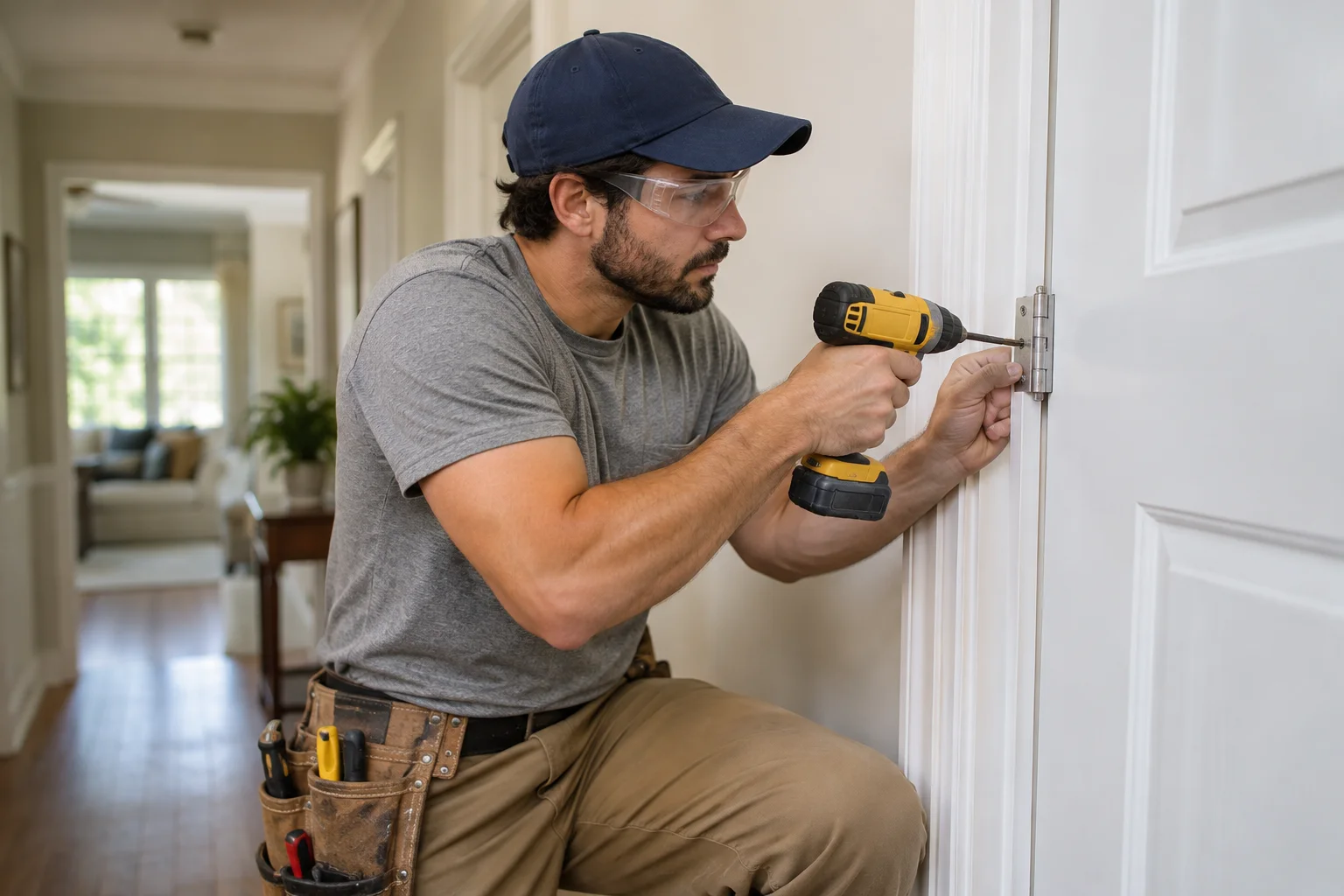
Drywall patching, caulking, and door adjustments are minor repairs that leave the structure and systems untouched. Outlet, switch, and fixture swaps are often fine too, as long as you are replacing what is already there. Adding a new outlet or light where none existed is a different story and calls for a permit.
Windows and small roof repairs are the usual gray areas. The answer depends on whether the size, framing, or amount of roofing changes. When a job could go either way, ask the city.
How to Confirm Whether Your Project Needs a Permit
Start with a call or visit to the City of Salinas Community Development Department. Describe the work in plain terms: what you are replacing, what you are adding, and whether anything behind the walls will change. Staff can tell you whether a permit applies and what plans or inspections to expect.
If you hire help, ask to see the contractor's California license and find out who will pull the permit. For anything beyond cosmetic and like-for-like jobs, the permit should be in place before work starts, not after. Get the answer in writing or save the permit record. You will want it when you sell, file an insurance claim, or hand the house to the next owner.